The Ultimate Christchurch Guide to Buying a Heavy Duty Trailer
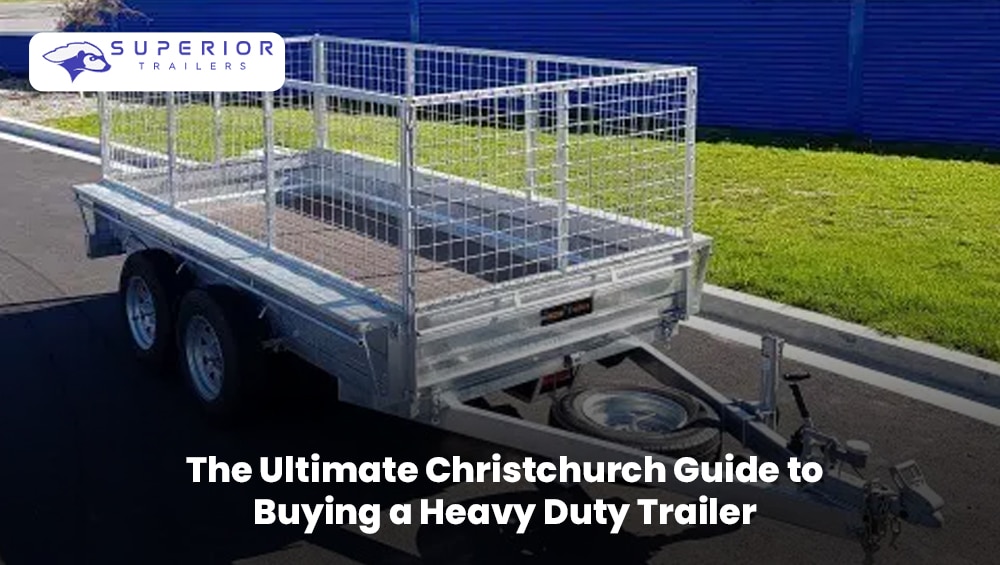
Heavy duty trailer parked in Christchurch for transporting equipment and materials safely
Christchurch continues to grow across construction, agriculture, landscaping, transport, and infrastructure sectors. As projects become larger and workloads increase, businesses need equipment that can handle demanding transport tasks without compromising safety or efficiency.
A heavy duty trailer is no longer just an accessory. For many businesses, it has become an essential tool that supports daily operations, reduces downtime, and helps complete jobs faster.
Whether you are transporting machinery, construction materials, farm equipment, vehicles, or commercial cargo, choosing the right Heavy duty trailer in Christchurch can save thousands of dollars over its lifetime. Christchurch buyers are increasingly prioritising durability, safety, and long-term value when investing in trailers.
Why Heavy Duty Trailers Are Essential in Christchurch
Christchurch presents unique transport challenges.
Businesses often move loads across:
- Construction sites
- Rural Canterbury roads
- Urban developments
- Agricultural properties
- Commercial transport routes
Standard trailers often struggle under heavy workloads. Heavy duty trailers are specifically built to manage larger loads, rougher conditions, and more frequent use. This makes them a preferred option for contractors, farmers, transport companies, and tradespeople.
The Growing Demand for Heavy Duty Trailers in 2026
Several industries are driving trailer demand across Christchurch:
Construction Industry Growth
Building projects require regular transportation of:
- Timber
- Steel
- Concrete supplies
- Machinery
- Site equipment
Agricultural Expansion
Farmers rely on trailers for:
- Livestock equipment
- Feed transport
- Machinery movement
- Rural maintenance work
Landscaping Businesses
Professional landscapers transport:
- Soil
- Gravel
- Plants
- Mulch
- Mowing equipment
Commercial Transport
Businesses increasingly use trailers for deliveries and equipment movement throughout Canterbury. These factors have contributed to growing demand for durable, high-capacity trailer solutions.
Industries That Depend on Heavy Duty Trailers
Construction Companies
Heavy duty trailers help transport:
- Excavators
- Generators
- Building materials
- Site equipment
Farmers
Agricultural operations use trailers for:
- Feed transport
- Machinery movement
- Fencing supplies
- Farm maintenance
Landscapers
Landscaping teams require reliable trailers to carry:
- Soil
- Gravel
- Turf
- Gardening equipment
Vehicle Transport Businesses
Car transport operators use specialised heavy duty trailers for secure vehicle movement.
Trade Professionals
Builders, plumbers, electricians, and contractors rely on trailers for tools and equipment transport.
Key Features Every Buyer Should Check
1. Strong Steel Chassis
A reinforced chassis forms the backbone of a heavy duty trailer. Strong steel construction helps prevent frame fatigue and structural damage.
2. High Load Capacity
Always choose a trailer that comfortably handles your expected loads while allowing room for future growth.
3. Heavy Duty Suspension
Quality suspension improves:
- Stability
- Handling
- Load protection
- Driver comfort
4. Reliable Braking Systems
Electric or hydraulic brakes provide better stopping control, especially when carrying heavy loads.
5. Galvanized or Powder-Coated Finish
A corrosion-resistant finish helps protect trailers from Christchurch weather conditions and extends service life.
6. Quality Tyres
Heavy duty tyres improve:
- Road grip
- Safety
- Load support
- Towing performance
7. Secure Tie-Down Points
Proper tie-down points prevent cargo movement and improve road safety.
Heavy Duty Trailer Types and Their Uses
Tandem Axle Trailers
Best for:
- Heavy machinery
- Commercial transport
- Construction materials
Advantages:
- Better stability
- Improved weight distribution
- Increased carrying capacity
Flat Deck Trailers
Perfect for:
- Oversized loads
- Building supplies
- Industrial equipment
Tipper Trailers
Popular for:
- Landscaping
- Construction projects
- Waste removal
Car Transport Trailers
Designed specifically for:
- Vehicle movement
- Automotive businesses
- Recovery services
Cage Trailers
Ideal for:
- General transport
- Green waste
- Household items
- Commercial deliveries
Single Axle vs Tandem Axle Trailers
Single Axle Trailer
Benefits
- Lower purchase cost
- Easier to manoeuvre
- Reduced maintenance
Best For
- Light commercial work
- General transport
- Small businesses
Tandem Axle Trailer
Benefits
- Greater stability
- Higher payload capacity
- Better towing performance
Best For
- Heavy machinery
- Construction equipment
- Frequent commercial use
Many experienced trailer users recommend tandem axle models when regularly carrying heavy loads because of improved stability and load distribution.
Common Trailer Buying Mistakes
Many buyers focus only on price and overlook important factors.
Avoid these mistakes:
Buying the Wrong Size
A trailer that is too small creates safety concerns and limits productivity.
Ignoring Load Ratings
Overloading damages trailers and increases accident risks.
Choosing Cheap Construction
Low-quality materials often lead to expensive repairs later.
Forgetting Future Needs
Many businesses outgrow their trailer within a few years.
Overlooking Brakes
Brakes become critical when transporting heavy equipment.
Trailer Safety Checklist
Before every trip:
Check Tyres
Inspect:
- Pressure
- Wear
- Damage
Test Lights
Verify:
- Brake lights
- Indicators
- Tail lights
Inspect Couplings
Ensure all connections remain secure.
Verify Load Balance
Proper weight distribution reduces trailer sway.
Confirm Tie-Down Security
All cargo should be firmly restrained.
Experienced New Zealand trailer users often recommend maintaining slight forward weight bias to improve towing stability and reduce sway.
Maintenance Tips for Long-Term Performance
Regular maintenance helps maximise trailer lifespan.
Weekly Checks
- Tyre pressure
- Lights
- Hitch connections
Monthly Checks
- Wheel bearings
- Brake systems
- Suspension components
Seasonal Maintenance
- Rust inspection
- Chassis cleaning
- Protective coating touch-ups
Well-maintained trailers can provide reliable service for more than a decade.
Signs It’s Time to Upgrade Your Trailer
Consider upgrading when you notice:
- Frequent repairs
- Increased downtime
- Insufficient load capacity
- Structural fatigue
- Poor towing performance
- Business growth requiring larger loads
An upgraded trailer often improves productivity while reducing maintenance costs.
How Heavy Duty Trailers Improve Business Productivity
A quality trailer can:
Reduce Transport Time
Larger loads mean fewer trips.
Improve Safety
Better braking and stability reduce risk.
Lower Maintenance Costs
Strong construction minimises repairs.
Increase Job Capacity
Businesses can accept larger projects.
Improve Professional Image
Reliable equipment creates trust with customers.
For growing Christchurch businesses, these advantages can directly impact profitability.
Future Trailer Trends in New Zealand
In 2026, buyers increasingly look for:
LED Lighting Systems
Improved visibility and longer service life.
Custom Trailer Designs
Tailored solutions for specialised industries.
Advanced Braking Technology
Enhanced control and safety.
Corrosion Protection
Greater durability in challenging environments.
Enhanced Loading Systems
Improved productivity and easier operation.
Why Local Christchurch Buyers Choose Quality Trailers
Local suppliers understand:
- New Zealand compliance requirements
- Canterbury road conditions
- Agricultural needs
- Commercial transport challenges
Many buyers prioritise strong after-sales support, replacement parts availability, and customisation options when choosing a trailer supplier. Community discussions also highlight the value of quality construction and ongoing support over simply purchasing the cheapest option.
Final Thoughts
A heavy duty trailer is one of the most valuable investments for contractors, farmers, transport operators, and businesses in Christchurch. The right trailer improves efficiency, supports business growth, and provides reliable performance for years.
Before making a purchase, carefully evaluate your load requirements, road conditions, future business plans, and safety needs. Investing in quality construction, strong braking systems, and durable materials can deliver significant long-term savings while keeping your operations running smoothly.
Frequently Asked Questions (FAQs)
1. What is considered a heavy duty trailer?
A heavy duty trailer is built with reinforced construction, higher load capacity, stronger suspension systems, and durable braking components designed for demanding workloads.
2. Are tandem axle trailers better for heavy loads?
Yes. Tandem axle trailers generally provide better weight distribution, stability, and towing performance when transporting heavier cargo.
3. How often should a heavy duty trailer be serviced?
Regular inspections should occur monthly, while comprehensive servicing should follow manufacturer recommendations and usage levels.
4. Which industries use heavy duty trailers the most?
Construction, agriculture, landscaping, vehicle transport, and commercial freight industries are among the biggest users of heavy duty trailers.
5. What trailer size should I choose?
Choose a trailer that safely handles your most common load while allowing extra capacity for future requirements.